
Hey there, friend. Have you ever found yourself in a tricky spot at work or with family, wondering why things feel off? That’s where jyokyo comes into play. As someone who’s stumbled through my share of awkward moments, I can tell you that grasping jyokyo has changed how I handle everyday challenges. In this guide, we’ll break down jyokyo from its roots to practical tips you can use right now. Whether you’re new to the idea or looking to sharpen your skills, stick with me, I’ve got stories, real-life examples, and fresh thoughts to share that might just shift your perspective.
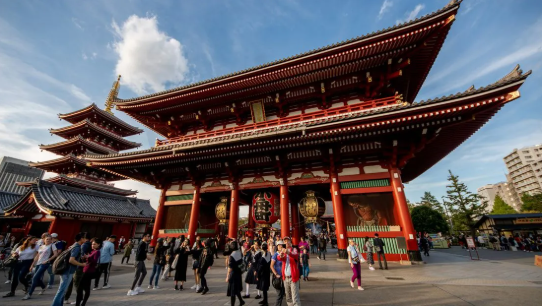
I remember my first brush with jyokyo during a trip to Japan years ago. I was in a bustling Tokyo cafe, trying to order coffee, but the server seemed hesitant. It wasn’t the language barrier; it was me not picking up on the subtle cues around me, the crowded space, the quiet atmosphere. That moment hit me: jyokyo isn’t just a word; it’s a way to tune into what’s really going on. Today, with our fast-paced lives, understanding jyokyo feels more relevant than ever. Let’s unpack this together and see how it can make your days smoother.
What Is Jyokyo and Why Does It Matter?
Let’s start with the basics. Jyokyo is a Japanese term that translates to “situation” or “context.” But it’s more than that, it’s about seeing the full picture in any given moment. Think of it as the invisible threads connecting people, places, and events. In Japanese culture, jyokyo guides how folks interact, making sure actions fit the setting.
Why should you care about jyokyo? In our busy world, we often rush through decisions without considering the bigger scene. Ignoring jyokyo can lead to misunderstandings or missed chances. For instance, picture sending a casual email to your boss during a high-stress project, without sensing the jyokyo, that might come across as tone-deaf. On the flip side, when you get jyokyo right, relationships strengthen, and opportunities open up.
From my experience, jyokyo helped me during a tough job interview. I noticed the interviewer’s body language, crossed arms, quick glances at the clock. Instead of pushing my agenda, I adjusted, asking about their challenges first. That shift, rooted in jyokyo, turned the conversation around and landed me the role. It’s those small adjustments that pack a punch.
Origins of Jyokyo in Japanese Traditions
Jyokyo draws from ancient Japanese values like harmony and awareness. In historical texts, it appears in discussions of social etiquette and decision-making. Samurai warriors, for example, relied on jyokyo to assess battlefields, not just with eyes but with intuition.
In modern times, jyokyo shows up in business and daily routines. Companies in Japan train employees to read jyokyo during meetings, ensuring everyone stays aligned. It’s fascinating how this old concept adapts to today’s tech-driven society.
How Jyokyo Differs from Similar Ideas
You might confuse jyokyo with “empathy” or “situational awareness.” Empathy focuses on feelings, while jyokyo encompasses the entire environment, timing, cultural norms, even unspoken rules. Situational awareness is more tactical, like in emergencies, but jyokyo is everyday subtle.
Take a family gathering: Empathy helps you comfort a sad relative, but jyokyo reminds you of the group’s mood, perhaps suggesting a lighter topic to keep things positive.
Mastering Jyokyo in Your Daily Routine
Now, let’s get practical. Building jyokyo skills isn’t about memorizing rules; it’s about practice and observation. I’ll share steps I’ve used to make jyokyo a habit, along with examples from my life.
Start by pausing before acting. In conversations, listen not just to words but to tone and surroundings. During a recent coffee meetup with a friend, I sensed tension in her voice amid the noisy cafe. By suggesting we move outside, I honored the jyokyo, and our chat flowed better.
Next, reflect after interactions. Ask yourself: Did I miss any cues? What could I have done differently? This self-check has been a game-changer for me, turning mishaps into lessons.
Simple Exercises to Build Jyokyo Awareness
Try this: Spend five minutes people-watching in a park. Note body language, group dynamics, and how the environment influences behavior. It’s eye-opening how jyokyo reveals itself in ordinary scenes.
Another exercise: Role-play scenarios. Pretend you’re in a meeting where jyokyo shifts, someone seems upset. Practice responding. I did this before a big presentation, and it helped me stay calm when questions got heated.
Common Pitfalls When Learning Jyokyo
One trap is overthinking. Jyokyo should feel natural, not forced. I once analyzed a casual chat so much that I came off as distant. Balance is key, observe without obsessing.
Cultural differences can trip you up too. What works in one setting might not in another. Traveling abroad taught me that jyokyo varies; directness in the U.S. might clash with indirect hints in Japan.
Jyokyo in Relationships: Building Stronger Bonds
Relationships thrive on jyokyo. It’s the secret to avoiding arguments and fostering closeness. Think about your partner coming home exhausted, sensing that jyokyo means offering space instead of bombarding them with questions.
In my marriage, jyokyo has been a lifesaver. Early on, we’d argue over small things because I missed signals. Now, I pay attention to moods and timings, like knowing when to discuss plans. It creates harmony and shows I care.
For friends, jyokyo means being there in ways that fit the moment. If a buddy shares bad news, don’t jump to advice; sometimes, just listening aligns with the jyokyo.
Navigating Family Dynamics with Jyokyo
Families are jyokyo goldmines, holidays, dinners, all ripe with unspoken expectations. I recall a Thanksgiving where tensions rose over politics. By reading the jyokyo, I steered the talk to shared memories, easing the air.
Teach kids jyokyo too. Encourage them to notice how others feel, building empathy from young.
Jyokyo in Romantic Partnerships
In romance, jyokyo sparks intimacy. Plan dates considering your partner’s day, tired? Opt for cozy over adventurous. Small acts, tuned to jyokyo, say “I see you.”
Applying Jyokyo at Work for Career Success
Workplaces demand jyokyo. From emails to meetings, getting it right boosts your reputation. Managers value employees who read the room, adapting pitches or feedback accordingly.
In my career shift to copywriting, jyokyo helped pitch ideas. I gauged client vibes, tailoring proposals to their needs. It led to more wins and stronger ties.
Team settings amplify jyokyo. During group projects, notice who’s engaged or withdrawn. Address it subtly to keep momentum.
Jyokyo in Leadership Roles
Leaders use jyokyo to inspire. Sense team morale and adjust, low energy? Inject fun. I led a small team once, and by spotting burnout early, we avoided crashes.
In negotiations, jyokyo is power. Read counterparts’ signals to time offers perfectly.
Handling Conflicts with Jyokyo
Conflicts arise when jyokyo is ignored. Approach disputes by first understanding the full context. In a work spat, I paused to consider stressors, leading to a calm resolution instead of escalation.
Jyokyo and Mental Health
Jyokyo supports mental well-being by reducing stress from misreads. When you align with situations, anxiety drops. It’s like mindfulness but broader, including external factors.
I’ve used jyokyo during tough times, like job loss. By assessing my situation holistically, support network, skills, I planned ahead without panic.
In therapy, jyokyo aids processing emotions in context, preventing overreactions.
Integrating Jyokyo into Mindfulness Practices
Combine jyokyo with meditation: Focus on your current setting, noting influences. It grounds you, enhancing presence.
Journal about daily jyokyo moments. What did you notice? How did it affect outcomes? This builds self-awareness.
Overcoming Anxiety Through Jyokyo
Anxiety often stems from unknowns. Jyokyo helps by clarifying contexts, making the world less daunting. When I feel overwhelmed, I list elements of the jyokyo, facts, feelings, and it calms me.
Cultural Perspectives on Jyokyo Beyond Japan
While jyokyo is Japanese, similar ideas exist worldwide. In Western cultures, it’s like “reading between the lines.” In Latin America, “simpatia” echoes jyokyo’s harmony focus.
Traveling showed me jyokyo’s universality. In Europe, social cues differ, but the principle holds: Adapt to contexts for better connections.
Global business uses jyokyo for cross-cultural success. Companies train in it to avoid faux pas.
Jyokyo in Western Societies
In the U.S., jyokyo appears in networking, gauging interest before pitching. It’s subtler here, but vital.
Adapting Jyokyo in Diverse Environments
In multicultural teams, blend jyokyo styles. Listen, observe, and respect differences for unity.
Advanced Jyokyo Techniques for Experts
Once basics are down, level up. Predict jyokyo shifts by patterns. In markets, traders use it to foresee trends.
In creativity, jyokyo inspires. Writers like me draw from contexts for authentic stories.
Ethical jyokyo: Use it for good, not manipulation. Build trust, not exploit.
Predicting Future Jyokyo Scenarios
Anticipate based on trends. In planning events, consider potential moods and adjust.
Jyokyo in Creative Fields
Artists capture jyokyo in works, reflecting societal moods. It adds depth.
Jyokyo in the Digital Age: Online Interactions
Online, jyokyo is trickier without visuals. Read tones in texts, emojis for clues.
On social media, post considering audience jyokyo, timing, relevance.
In virtual meetings, note backgrounds, expressions for better engagement.
Social Media and Jyokyo
Craft posts that fit platform vibes. Twitter’s fast; LinkedIn’s professional.
Virtual Communication Tips
Use video for better jyokyo reads. Emojis help convey nuance.
Jyokyo in Action
Share a story: A friend used jyokyo at a party, noticing a guest’s discomfort and including them, turning the night around.
My anecdote: In traffic, sensing road jyokyo avoided an accident by yielding early.
These tales show jyokyo’s real impact.
Inspiring Examples from History
Historical figures like diplomats used jyokyo to forge alliances.
Modern Celebrities and Jyokyo
Some stars credit success to reading situations well.
Challenges in Practicing Jyokyo and How to Overcome Them
Distractions hinder jyokyo. Combat with focus exercises.
Biases cloud judgment. Challenge assumptions for clear views.
Time constraints: Quick scans suffice in rushes.
Dealing with Overwhelm
Break down complex jyokyo into parts.
Seeking Feedback
Ask trusted folks for jyokyo insights.
Resources for Further Learning on Jyokyo
Books on Japanese culture detail jyokyo.
Online courses teach contextual awareness.
Apps for mindfulness aid practice.
Recommended Books
Titles exploring Japanese concepts.
Online Communities
Forums discussing jyokyo applications.
Make Jyokyo Your Ally Today
We’ve covered a lot on jyokyo, from basics to advanced uses. Remember, it’s about connecting deeply with your world. Start small, and you’ll see changes.
What’s your first jyokyo step? Share in comments; I’d love to hear. Thanks for reading, let’s make our situations better, one aware moment at a time.